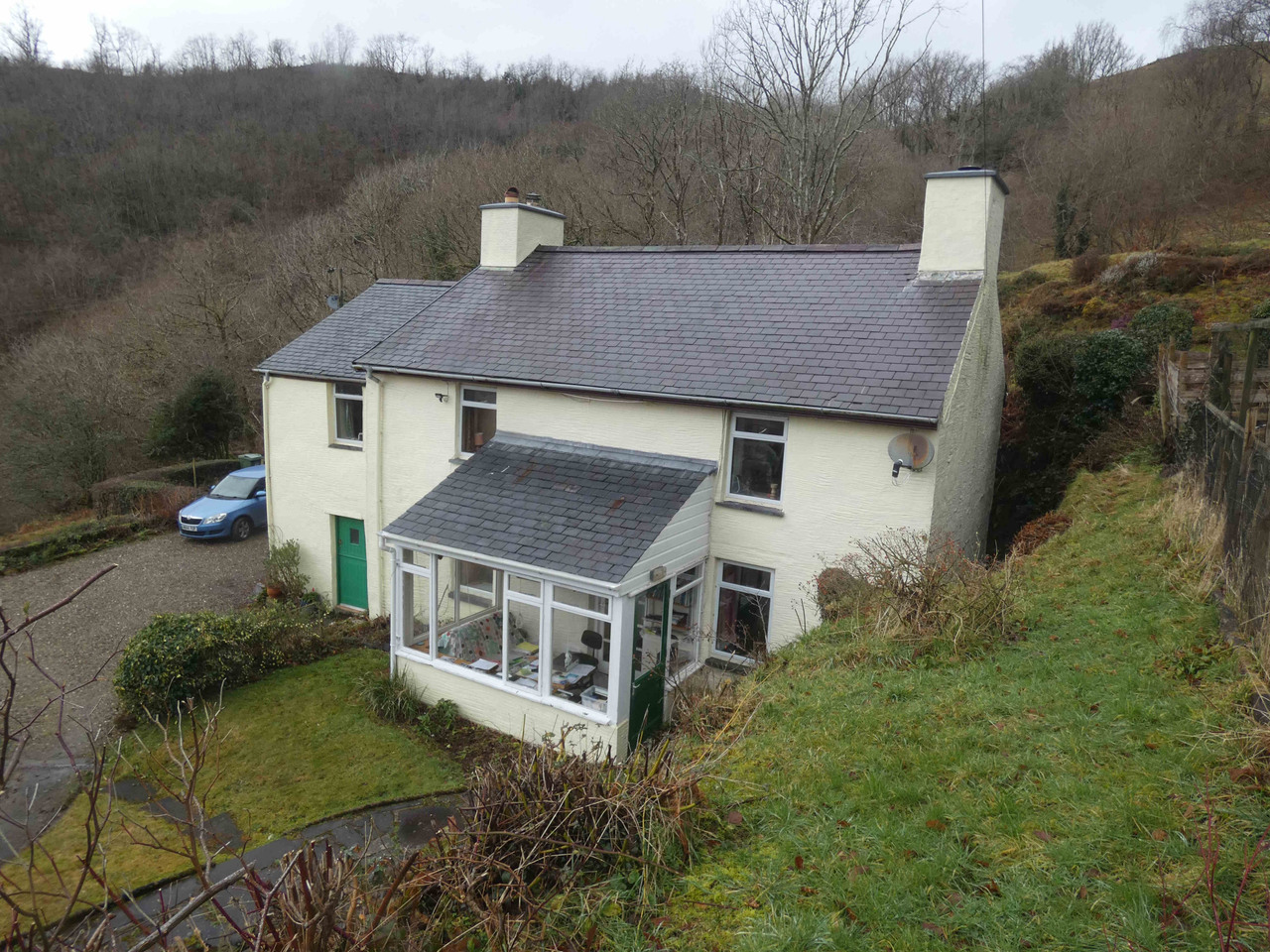
Buying an older property — how the survey should support your decision
The typical survey route
- A survey is usually commissioned as part of the purchase process, often in the form of a Level 2 or Level 3 report.
These reports are structured to identify certain defects and highlight areas of concern. Where issues are noted, it is common for further investigation to be recommended — for example, in relation to damp, timber or construction issues — along with advice to obtain quotations from contractors.
This approach is well established and reflects the way surveys are typically carried out.
Where uncertainty remains
- In practice, following this process before purchase can be difficult. Arranging access for multiple specialists, obtaining comparable quotations, and interpreting different opinions is not always straightforward — particularly where buyers are working to timescales, or are not based locally. The result can be a collection of information relating to individual elements of the building, but without a clear understanding of how those elements relate to one another or what they mean overall.
At the point where a decision needs to be made, the picture can still feel unclear.
Different objectives
- It is also worth recognising that the standard survey process is often shaped by the requirements of lenders, whose primary concern is the condition of the property as security for lending.
For a purchaser, the key questions are slightly different. These tend to relate to how the building works as a whole, what it is likely to require, and whether it can reasonably be adapted or improved over time.
These two perspectives do not always align.
Understanding the building as a whole
- With older and traditionally constructed buildings, individual issues are rarely isolated. Moisture movement, materials, ventilation and past alterations are closely related, and separating them into individual reports can make interpretation more difficult rather than easier.
A more effective approach is to consider the building as a whole — understanding how it performs, how different elements interact, and what this means in practical terms.
You need all the information in one place and quickly, at the point a decision is being made.
What this provides
- A joined-up understanding allows buyers to move forward with greater clarity and confidence. Rather than assembling multiple reports, the focus is on establishing the overall condition of the building, the likely extent and nature of work required, how different issues relate to one another and what can reasonably be done with the building.
This does not remove uncertainty entirely, but it does place it within a clearer and more manageable framework.
Cost considerations
- Cost is naturally a concern when purchasing an older property. At this stage, the aim is not to produce detailed estimates, but to understand the likely scale and implication of works based on the condition of the building as a whole. This avoids the false precision of isolated quotations and provides a more realistic basis for considering what may be involved.
More detailed costing can then be developed at a later stage, once the scope of works is properly defined.
Moving from purchase to project
- For many properties, decisions made at the point of purchase carry forward into future work. An understanding of the building at this stage allows repair, upgrading and potential alterations to be considered in a coherent way, rather than revisiting the building later with a separate interpretation.
Conclusion
- For older and traditionally constructed buildings, the survey process is most useful when it supports the decisions that need to be made by the new owner, not by the lender.
Identifying defects is part of that process, but understanding what those findings mean — in terms of condition, potential and likely future work — is what ultimately allows buyers to proceed with confidence.
Get in touch
Have a project in mind? Send us a message and we'll get back to you.
Message sent
Dyfi Architecture is a multi-award winning practice