Buying a Traditional Property : Looking Beyond Defects
Buying a Traditional Property: Looking Beyond Defects
Buying a traditional property is rarely just about identifying defects. Whether it is a Welsh farmhouse, a former mill, a Georgian townhouse or a significant country house, understanding how a building has evolved over time is often just as important as understanding its present condition.
Traditional buildings rarely fit neatly within a single professional discipline. They reflect generations of craftsmanship, repair, adaptation and changing patterns of use. A survey may identify defects, but understanding why those defects have occurred, how previous repairs have influenced the building and what opportunities or constraints exist for the future often requires a broader perspective.
At Dyfi Architecture, our approach combines specialist traditional building surveying with architectural, conservation and environmental expertise. Rather than viewing a building simply as a collection of individual issues, we seek to understand how it works as a whole and how its history continues to influence its performance today.
This broader understanding can be invaluable when purchasing an older property. It helps place individual observations into context, allowing clients to appreciate not only the condition of the building but also its significance, construction, previous alterations and long-term potential.
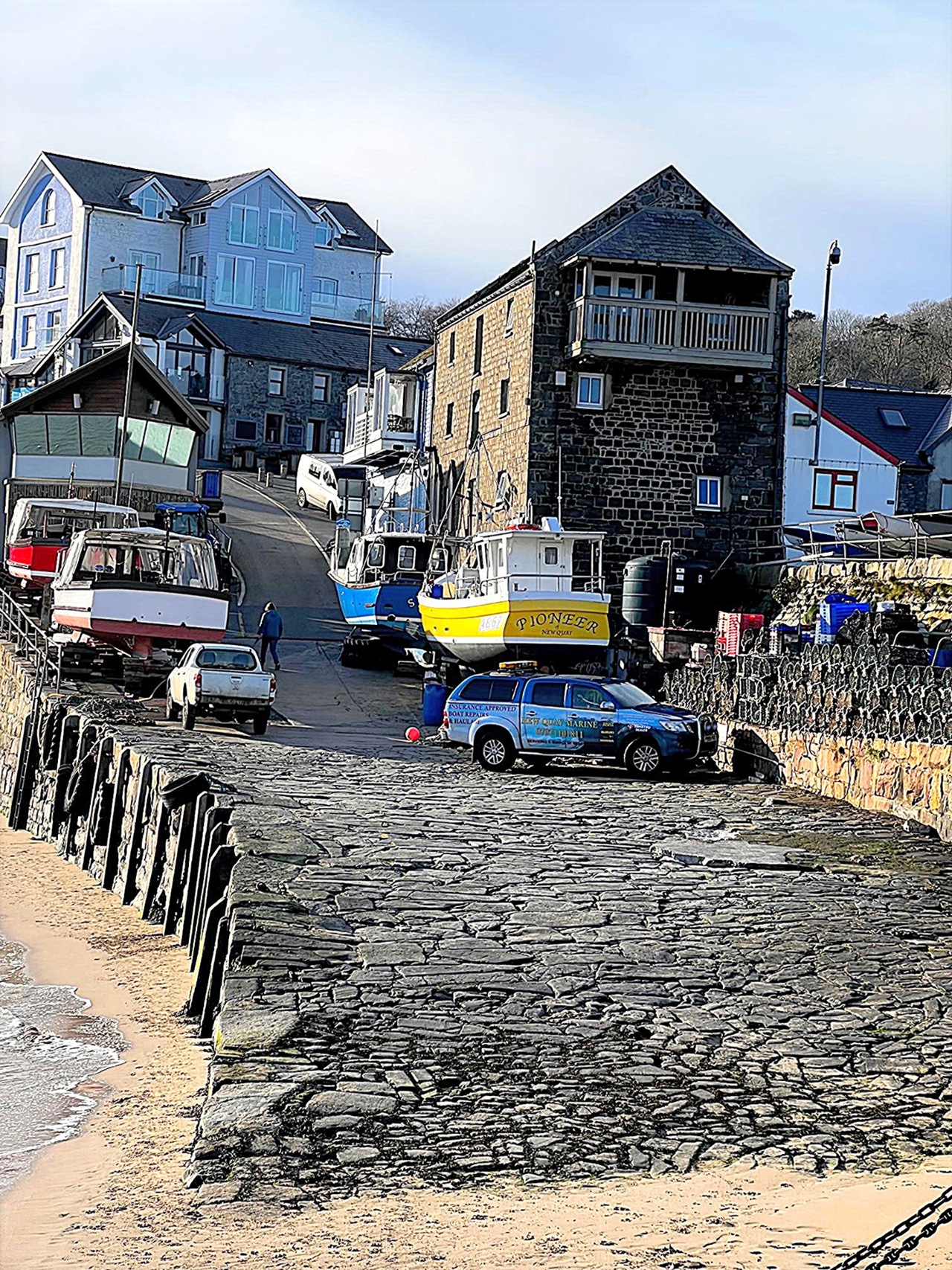
A recent commission of a very prominant significant sea front building provided an excellent example of this approach. Buildings of this nature are far more than historic structures requiring repair. They are the product of successive generations of change, each leaving its own mark on the fabric of the building. Understanding those layers is often the key to making informed decisions about repair, adaptation and future stewardship.
The same principles apply across a remarkably diverse range of traditional buildings. During the course of our work we are fortunate to encounter Welsh stone cottages, farmhouses, churches, mills, estate buildings and substantial country houses throughout Wales and the Border Counties. Although every building presents its own challenges, careful observation, interpretation and an appreciation of traditional construction remain at the heart of every commission.
Few practices combine specialist surveying, architectural, conservation and environmental expertise within a single service. Bringing these disciplines together allows us to look beyond isolated defects and develop a more complete understanding of the building, its setting and its future.
Ultimately, our aim is not simply to produce a survey report. It is to help clients understand remarkable buildings with confidence. By recognising patterns of construction, repair and alteration, and by considering each building within its wider historical and architectural context, we can provide advice that extends well beyond a simple list of observations.
Traditional buildings continue to reward those who take the time to understand them properly. Their character, craftsmanship and individuality are often the very qualities that attract buyers in the first place. A broader understanding simply helps ensure that those qualities can be appreciated, cared for and enjoyed for many years to come.
Get in touch
Have a project in mind? Send us a message and we'll get back to you.
Message sent
Dyfi Architecture is a multi-award winning practice